Culino Kitchen Culino Kitchen

Why is Stainless Steel the Best Choice for Food Machinery?

Time:2026-06-13 Author:Liam
0%

Stainless steel stands out in the food machinery sector for its unmatched qualities. Many industry experts agree on why stainless steel is preferred in food machinery. Its durability, resistance to corrosion, and ease of cleaning make it a practical choice for food processing equipment. Unlike other materials, stainless steel does not react with food, ensuring safety and hygiene.

Moreover, stainless steel’s non-porous surface prevents bacteria from hiding, making it ideal for environments that demand strict sanitation. Think of meat processing plants or bakeries; stainless steel ensures that equipment is both efficient and safe. However, not all stainless steel is created equal, and some grades perform better than others in demanding conditions.

Despite its advantages, the cost of stainless steel can be a concern for some businesses. Balancing upfront investment with long-term benefits requires careful thought. Reflecting on these factors helps companies make informed choices. Ultimately, the significance of stainless steel in food machinery cannot be overstated, highlighting its role in promoting food safety and operational efficiency.
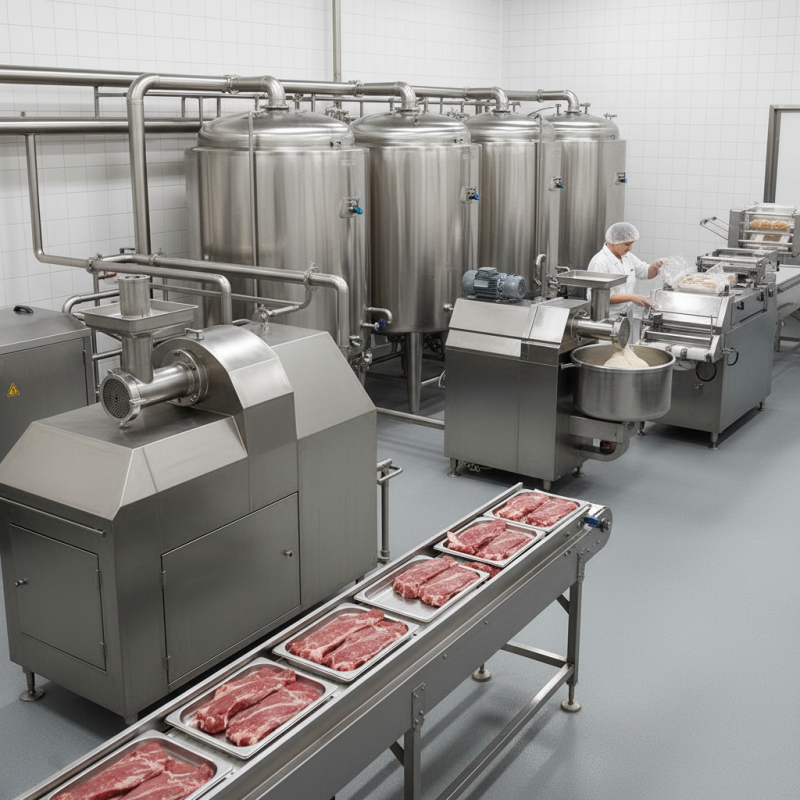
Why is Stainless Steel the Best Choice for Food Machinery?

Properties of Stainless Steel That Benefit Food Machinery Efficiency

Stainless steel is a top choice for food machinery primarily due to its impressive properties. One key characteristic is corrosion resistance. According to the "Food Machinery and Technology Journal," stainless steel can withstand harsh cleaning chemicals and humidity. This prevents rust and ensures longevity, which is crucial in food production environments.

Another important aspect is its hygienic nature. The USDA recommends stainless steel for all food contact surfaces. Its smooth surface minimizes bacteria retention and eases cleaning. This reduces the risk of contamination, which is vital for food safety. Properly maintained stainless steel can stay free from microbial growth, as noted in the "International Journal of Food Microbiology."

Thermal conductivity is another benefit. Stainless steel maintains temperature well, which is essential during cooking and processing. Reports indicate that equipment made from stainless steel can achieve consistent cooking temperatures, crucial for food quality. However, there are challenges. It can be costly and labor-intensive to maintain. Moreover, while stainless steel is durable, it may require regular inspection to avoid performance issues. These factors warrant ongoing consideration in food machinery design.

Durability and Corrosion Resistance of Stainless Steel in Food Processing

Stainless steel stands out in food processing for its remarkable durability. It resists wear and tear, essential for machines that operate constantly. This metal withstands the rigors of high-pressure environments. Many food machinery parts made from stainless steel remain intact despite daily use. However, not all stainless steel grades perform the same in various settings. Understanding the specifics is crucial.

Corrosion resistance is another vital aspect of stainless steel. It prevents rust and degradation when exposed to moisture and acids. In food processing, this ensures hygiene and safety. Contaminants can lead to big health issues. Insufficient corrosion resistance can result in equipment failures, which may halt production. Regular maintenance is still necessary to ensure longevity.

Even with its advantages, stainless steel isn't flawless. Cost can be a concern for some operations. Also, choosing the wrong grade may lead to unexpected challenges. Sometimes, alternatives may be cheaper, but they often come at a bigger risk. Weighing these factors is essential for manufacturers. Balancing cost, durability, and safety is critical in food machinery selection.

Hygienic Standards: How Stainless Steel Meets Food Safety Regulations

Stainless steel is a top choice for food machinery due to its exceptional hygienic properties. According to the Food and Drug Administration (FDA), stainless steel surfaces inhibit bacterial growth effectively. This antimicrobial characteristic is crucial in food processing environments. Properly maintained, stainless steel can remain free from contaminants, supporting strict hygiene protocols.

Industry studies reveal that over 80% of food contamination incidents stem from surface materials. Stainless steel's non-porous structure prevents bacteria from adhering. It resists corrosion, rust, and staining, contributing to its longevity in food processing. A report from the International Stainless Steel Forum highlights that stainless steel can be cleaned easily, ensuring compliance with food safety regulations.

However, the initial cost of stainless steel equipment is often higher. Some companies may hesitate to invest upfront, preferring cheaper alternatives. While alternatives may reduce costs, they can lead to increased maintenance and health risks in the long run. Therefore, the long-term benefits of stainless steel should be carefully weighed against immediate expenses.

Economic Considerations: Long-Term Costs of Stainless Steel in Food Machinery

When considering food machinery, stainless steel stands out due to its long-term economic benefits. A report by the Food and Beverage Industry Research Group shows that stainless steel equipment can last up to 20 years longer than alternatives like aluminum or plastics. This durability often results in reduced replacement costs over time. Additionally, stainless steel is resistant to corrosion and rust, which can lead to significant maintenance savings.

Initial costs for stainless steel may be higher. However, the long life cycle and low maintenance requirements contribute to lower overall expenses. The industry estimates suggest that operating costs can be cut by nearly 30% when using stainless steel appliances. These savings can make a substantial difference for manufacturers aiming for efficiency.

Moreover, food safety standards demand reliable materials. Stainless steel’s non-porous surface aids in meeting these standards. Yet, producers must remain vigilant. Not all stainless steel is created equal, and some lower-quality grades may lead to unforeseen issues. Investing in the right quality material ensures compliance and avoids costly downtime. Understanding these economic factors enables better decision-making in food machinery investments.

Why is Stainless Steel the Best Choice for Food Machinery? - Economic Considerations: Long-Term Costs of Stainless Steel in Food Machinery

Cost Factor Stainless Steel Alternative Materials
Initial Cost $1000 $800
Maintenance Cost (Annual) $50 $100
Lifespan (Years) 15 10
Total Cost over Lifespan $1750 $1800
Corrosion Resistance High Medium
Recyclability 100% 50%

Environmental Impact: The Recyclability of Stainless Steel in Food Production

Stainless steel stands out for its recyclability in food production. According to the International Stainless Steel Forum, about 90% of stainless steel is recycled after its use. This high recycling rate emphasizes its sustainability. Using stainless steel reduces the demand for new raw materials. It minimizes waste, significantly benefiting the environment.

The recycling process consumes less energy compared to producing new stainless steel. Reports indicate that recycling stainless steel uses up to 60% less energy. This not only lowers carbon emissions but also reduces the overall environmental footprint. Despite its advantages, some challenge the effectiveness of recycling systems. Inefficiencies in local recycling could minimize benefits. This raises questions about ensuring proper recycling practices in the food industry.

The food machinery sector often uses stainless steel for its durability and resistance to corrosion. However, this material's end-of-life management deserves attention. The environmental impact of insufficient recycling needs exploration. Ongoing research will highlight ways to improve recyclability. More awareness can drive changes in how stainless steel is processed.

Environmental Impact: The Recyclability of Stainless Steel in Food Production

FAQS

: Why is stainless steel preferred in food machinery?

: Stainless steel inhibits bacterial growth, ensuring high hygiene standards in food processing environments.

How does stainless steel compare to other materials?

Its non-porous structure prevents bacteria adherence, unlike some alternatives.

What are the long-term cost benefits of using stainless steel?

Stainless steel can last up to 20 years longer, reducing replacement costs over time.

Are there any initial cost concerns with stainless steel?

Initial costs are higher, causing hesitation for some companies seeking cheaper alternatives.

How does stainless steel impact maintenance costs?

Its corrosion resistance leads to significant maintenance savings, potentially cutting costs by nearly 30%.

Is all stainless steel equally effective?

No, lower-quality grades may lead to issues. Choosing the right material is crucial.

What happens if companies choose cheaper materials?

Cheaper materials can result in higher maintenance needs, leading to health risks and costs.

Can improper maintenance affect stainless steel?

Yes, it can result in contamination risks, undermining hygiene protocols that need to be followed.

How easy is stainless steel to clean?

It is cleanable and supports compliance with food safety regulations, but consistent upkeep is necessary.

What should companies consider when investing in food machinery?

Analyze the long-term benefits of stainless steel against upfront costs for better decision-making.

Conclusion

Stainless steel is preferred in food machinery for several compelling reasons that enhance efficiency and performance in food processing. Its unique properties, including durability and impressive corrosion resistance, make it ideal for environments that are often exposed to moisture and various food substances. These characteristics ensure that stainless steel equipment withstands the rigors of daily use without compromising integrity or safety.

Hygienic standards play a crucial role in food safety regulations, and stainless steel meets these requirements exceptionally well. Its smooth surface reduces the potential for bacterial growth, ensuring compliance with health standards. Additionally, from an economic perspective, the long-term costs associated with stainless steel, such as lower maintenance and replacement rates, make it a wise investment for food manufacturers. Finally, the recyclability of stainless steel contributes to its environmental appeal, allowing for sustainable practices in food production. Overall, these factors highlight why stainless steel is preferred in food machinery.

Liam

Liam

Liam is a dedicated marketing professional with a profound expertise in the industry, where he excels at highlighting the unique advantages of our core products. With a keen understanding of market trends and consumer needs, Liam frequently updates our company’s professional blog, providing......