 Culino Kitchen
Culino Kitchen
Culino Kitchen
Ensuring food safety is vital in the food processing industry. Contamination can lead to serious health risks. This article explores how to prevent contamination in food processing. Understanding the sources of contamination is essential for effective prevention.
Cross-contamination often occurs during handling, preparation, and storage. Employees must be trained on proper hygiene practices. Regular audits can help identify areas of concern. Using separate equipment for raw and cooked foods is crucial.
It’s important to recognize that prevention is an ongoing effort. Technologies can aid in maintaining cleanliness, but human factors play a significant role. Each step taken counts in protecting consumers. The commitment to food safety must be unwavering.
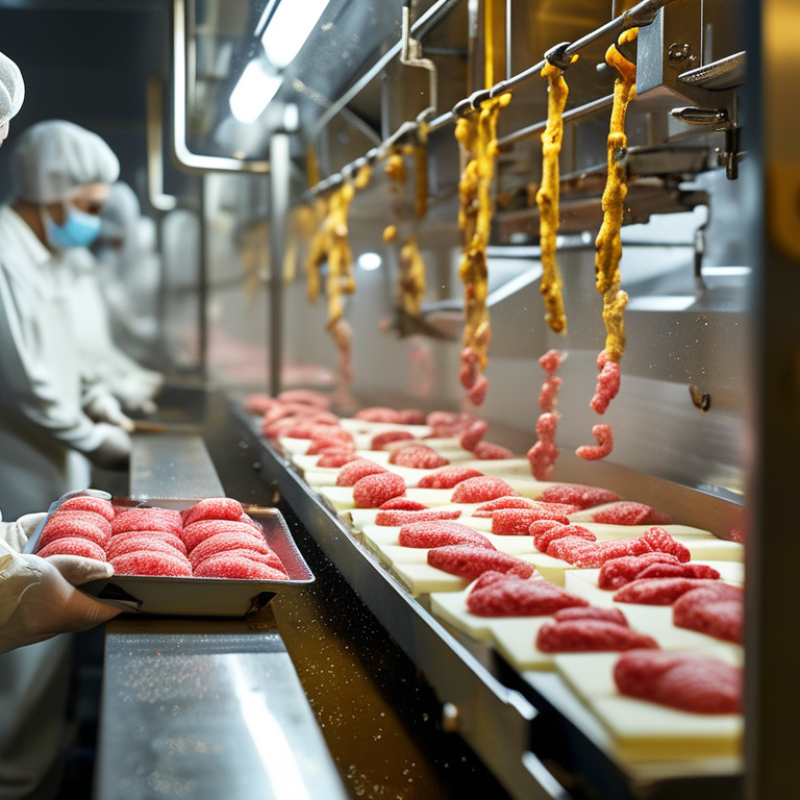
Food processing environments pose significant contamination risks. Understanding these risks is crucial for maintaining food safety. Contaminants can enter the food chain at various stages, from raw material handling to processing. Effective control measures must be implemented to minimize these risks.
Raw ingredients can carry pathogens. These pathogens can proliferate if proper storage conditions are not maintained. Moisture and temperature need constant monitoring. Equipment surfaces must be regularly sanitized to prevent cross-contamination. Workers play a vital role in hygiene practices. Regular training can help reduce human error.
Packaging also presents a risk of contamination. Unsanitary packaging materials may introduce harmful substances. Choosing the right materials is essential. They should be safe and non-toxic. Transparency in sourcing and cleaning protocols builds reliability. Reflection on past experiences can guide better practices in the future. Continuous improvement is key to safeguarding public health.
| Contamination Source | Risk Level | Preventive Measures | Frequency of Monitoring |
|---|---|---|---|
| Raw Materials | High | Supplier audits, testing for pathogens | Every batch |
| Equipment | Medium | Regular cleaning and sanitization | Daily |
| Employee Hygiene | High | Training and hygiene protocols | Ongoing |
| Cross-Contamination | High | Use separate utensils and equipment | Every shift |
| Environment | Medium | Control pests and maintain sanitation | Weekly |
: Training helps reduce contamination risks. Improper hygiene contributes to nearly 50% of foodborne illnesses.
Demonstrations reinforce lessons. Visual aids and real-life scenarios help employees remember hygiene practices better.
Regular refreshers are critical. Continuous learning helps maintain high hygiene standards and reinforces protocols under pressure.
Regular observation of compliance is key. Recognizing both adherence and failures guides further training efforts.
Proper equipment prevents contamination. Regular maintenance ensures safety and avoids bacteria retention in outdated machines.
Employees should be trained to identify signs of malfunction. Awareness can help prevent potential risks in food safety.
Maintaining correct temperatures prevents bacterial growth. Regular monitoring is essential to catch any fluctuations early.
Food left at unsafe temperatures can lead to contamination. Employees must know how to respond to temperature rises.
Documenting temperature checks creates a safety net. Regular audits reveal inconsistencies and areas needing improvement.
Encourage a culture of continuous improvement. Allow workers to communicate concerns and regularly review technology and processes.
In order to effectively address the crucial issue of how to prevent contamination in food processing, it is essential to understand the various risks present in processing environments. Contamination can occur at any stage, and recognizing these risks allows for the implementation of effective sanitation protocols. Establishing rigorous cleaning and sanitation procedures in food processing facilities is vital to ensuring the safety and quality of food products.
Moreover, training employees on hygiene practices is a fundamental aspect of prevention. Well-informed staff can significantly reduce the chances of contamination through proper personal hygiene and operational practices. Additionally, utilizing appropriate equipment and technology can enhance food safety during processing. Finally, closely monitoring and managing temperature control is crucial for preserving food quality and preventing microbial growth. By incorporating these strategies, food processing operations can significantly minimize contamination risks and ensure safer food for consumers.
