Culino Kitchen
In the world of baking, the choice of a commercial mixer can significantly influence dough outcomes. According to the latest report by the American Bakers Association, nearly 70% of professional bakers emphasize the importance of selecting the right mixer tailored to specific dough types. “Understanding how to select commercial mixers for different dough types is essential for consistency in quality,” says Jamie Hart, a leading expert in commercial kitchen equipment.
When it comes to doughs, one size does not fit all. For example, bread dough requires a different mixer than pastry dough. A heavy-duty mixer can handle thicker, yeast-based doughs, while lighter models are better for delicate mixtures. The right equipment not only ensures quality but also enhances operational efficiency. It’s crucial to match the mixer’s capabilities with the intended dough type.
Choosing the right commercial mixer involves considerations beyond mere capacity. Factors like motor strength and bowl design also play significant roles. With numerous options available, making an informed decision can feel overwhelming. Every baker's needs are unique, bringing a level of complexity to the selection process. Therefore, reflecting on specific requirements is vital for achieving the best results.
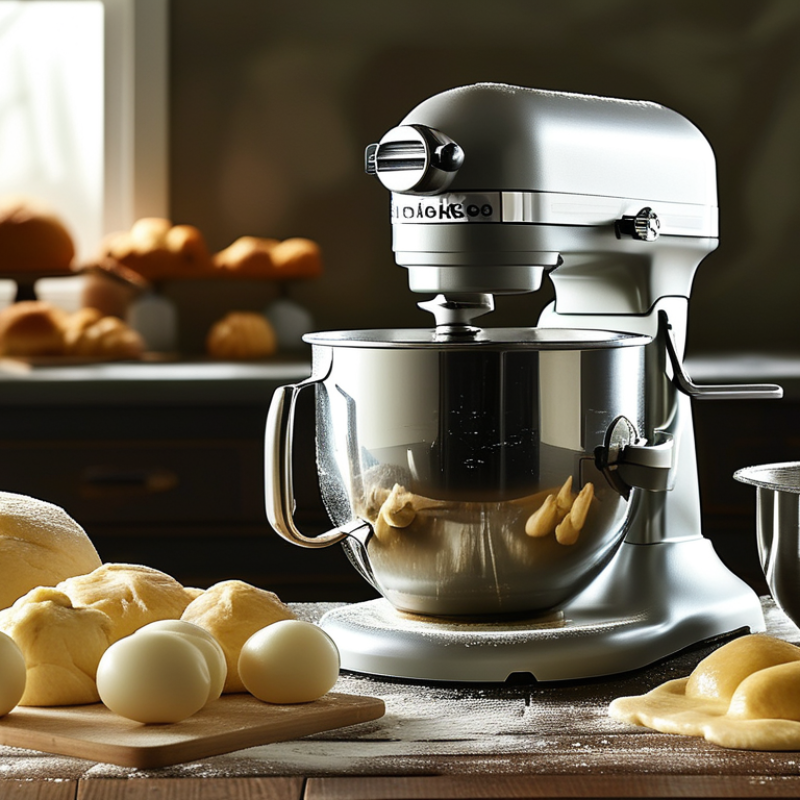
When it comes to mixing dough, different types require different approaches. Understanding the characteristics of each dough type is critical for achieving the desired texture and consistency. For instance, bread dough is typically stiff. It demands a strong mixer with a robust motor. This mixer will develop gluten effectively, creating that chewy texture we all enjoy.
Pastry dough, on the other hand, is more delicate. It requires light mixing to ensure a flaky result. A mixer that offers variable speed settings can be beneficial here. This allows you to knead lightly without overworking the dough. Have you ever noticed how overmixing can lead to tough pastries? It’s a common mistake, and one that can be avoided with the right equipment.
Pizza dough is a unique case. It needs thorough mixing to create a chewy crust. A spiral mixer works well for this because it mimics the kneading motion. It's essential to pay attention to hydration levels here too. Too much water can turn your dough sticky and unmanageable. Finding the right balance is crucial for each type of dough you work with.
When selecting a commercial mixer, key features should guide your decision. The motor power is crucial. A strong motor ensures effective mixing for various dough types. For thicker doughs, consider mixers with at least 1 horsepower. This prevents overheating and extends lifespan.
The size of the mixing bowl matters too. A larger bowl accommodates bigger batches, saving time during preparation. If you frequently produce large quantities, opt for a 20-quart bowl. However, smaller appliances may better suit those with limited space.
Look for ease of operation. A user-friendly control panel simplifies the mixing process, especially during busy hours. Solid construction ensures durability. Stainless steel parts resist wear and are easy to clean. Pay attention to warranty details; a good warranty reflects confidence in the product. Don’t overlook the safety features, as they protect users during operation. These aspects make a significant difference in daily kitchen efficiency.
Choosing the right commercial mixer starts with understanding size and capacity requirements. The capacity of a mixer determines how much dough it can handle at once. A mixer designed for a small bakery will differ greatly from one intended for high-volume production. For instance, a study by the Food Industry Association indicates that mixers can range in capacity from 5 quarts to over 100 quarts. Selecting the correct size is vital for efficiency and product quality.
When matching mixer size and capacity, consider your typical batch size. If the volume exceeds a mixer’s capacity, it may lead to inconsistent mixing. An under-capacity mixer struggles to incorporate ingredients evenly. Balancing these aspects maximizes your productivity. Also, think about the types of dough you prepare. Heavy doughs, such as bread or bagel mixtures, may require a more robust mixer. In contrast, lighter doughs can be handled with less powerful equipment.
Space is another critical factor. Your kitchen layout influences the size mixer you can fit. Many operations overlook this. A mixer may fit the culinary needs but not the physical space. Always measure carefully. Miscalculating space can create workflow bottlenecks. Tools like dough calculators help assess the proper mixer size based on production needs. Understanding these nuances ensures optimal performance and minimizes potential disruptions in operations.
| Dough Type | Recommended Mixer Size | Capacity (Quarts) | Mixing Speed (RPM) | Ideal Use |
|---|---|---|---|---|
| Bread Dough | Planetary Mixer | 20 - 30 | 50 - 100 | High-volume bakeries |
| Pizza Dough | Spiral Mixer | 30 - 40 | 70 - 120 | Pizzerias |
| Cookie Dough | Planetary Mixer | 12 - 20 | 60 - 90 | Bakeries and cafes |
| Pasta Dough | Spiral Mixer | 20 - 30 | 40 - 100 | Pasta shops |
| Cake Batter | Tilt-Head Mixer | 5 - 8 | 60 - 90 | Pastry shops and bakeries |
When selecting a commercial mixer, motor power and speed options play a crucial role. Different dough types require varying levels of power. For thicker doughs, a powerful motor is essential. A mixer with at least 1.5 horsepower can handle heavy mixing tasks. On the other hand, lighter mixtures can be made with lower power. Still, overloading a weaker mixer can lead to poor performance and potential breakdowns.
Speed settings are another key factor to consider. A versatile mixer should offer multiple speeds for different tasks. A slow speed is excellent for mixing ingredients evenly. Higher speeds are necessary for whipping and aerating. Some models even have a pulsing option, which provides better control when preparing delicate dough. Choosing the right speed can greatly affect the texture and consistency of your final product.
While it’s tempting to pick a high-powered mixer, assess your specific needs. Not every bakery requires the top-of-the-line model. Sometimes, a mid-range mixer suffices for small batches. Evaluating your daily production can help clarify what power and speeds you truly need. Keep in mind that the cheapest option may not always be the best investment. Choose wisely based on your unique requirements.
When it comes to commercial mixers, maintenance and durability are crucial aspects. Regular cleaning is essential for longevity. Flour and dough residue can build up, causing operational issues over time. A thorough, weekly cleaning can reduce wear and tear on the machine. This simple act often extends the equipment's lifespan significantly.
Durability is influenced by the materials used in construction. Stainless steel is commonly preferred. It resists corrosion and is easy to clean. Cheaper materials may save money upfront but can lead to more frequent replacements. This adds to long-term costs. It's vital to assess the build quality before making a decision. The right choice contributes directly to productivity.
Unexpected breaks can disrupt operations. Keeping a maintenance log can help track issues. Documenting wear and repairs allows you to anticipate future problems. Regular check-ups should be scheduled, even if the mixer seems fine. Investing time in maintenance pays off in efficiency and reliability. Balancing cost and durability is key. A thoughtful approach ensures your mixer performs well over time.
: Each dough type requires specific mixing approaches for optimal texture and consistency.
Bread dough is stiff and needs heavy mixing. Pastry dough is delicate and benefits from light mixing.
Overmixing can lead to tough pastries, a common mistake in baking.
Consider motor power, bowl size, ease of operation, and durability for efficient mixing.
Strong motors handle thicker doughs effectively, preventing overheating and improving lifespan.
A 20-quart bowl is ideal for those producing large quantities, saving preparation time.
Different speeds allow for even mixing, whipping, and better control over delicate doughs.
Not necessarily. Evaluate your specific needs; a mid-range mixer might suffice for smaller operations.
A good warranty reflects the manufacturer's confidence in the product's durability and performance.
Safety features protect users during operation, making them essential in a busy kitchen environment.
When considering how to select commercial mixers for different dough types, it’s essential to first understand the various types of dough, as they each have unique mixing requirements. Different doughs, such as bread, pastry, or pizza dough, require specific mixer features and capacities to achieve ideal consistency and texture. This guide emphasizes the importance of key features to look for in commercial mixers, including bowl size, motor power, and speed settings, ensuring they align with the demands of your dough types.
Additionally, evaluating the size and capacity of the mixer in relation to your production needs is crucial for efficiency. A durable mixer that requires minimal maintenance will contribute to long-lasting performance in a commercial setting. By carefully considering these factors—dough type, mixer features, size, and durability—you can confidently choose the right commercial mixer to optimize your baking processes.
